

3D printing, or additive manufacturing, is much more than a trend: it's a technological revolution that's changing the way we design, manufacture, and personalize objects. Whether you're an architect, designer, entrepreneur, or DIY enthusiast, understanding this technology is essential to unlocking its potential.
What is 3D printing?
Unlike traditional methods that remove material (machining, cutting, molding), 3D printing builds objects layer by layer from a digital model. This approach makes it possible to produce complex, customized, and functional shapes that would be impossible to create otherwise.
The key steps in the process:
-
Digital design : creation of a 3D model with software such as Blender, Fusion 360 or Tinkercad.
-
Slicing : the model is cut into thin layers so that the printer can reproduce it.
-
Printing : the 3D printer deposits the chosen material layer by layer.
-
Post-processing : some prints require cleaning, sanding, or baking depending on the material.
3D printing technologies
There are several types of printers and technologies, adapted to different needs:
-
FDM/FFF (Fused Filament Deposition) : the most widespread, ideal for plastic.
-
SLA/DLP (Stereolithography / Digital Light Processing) : uses liquid resin cured by UV light, perfect for highly detailed objects.
-
SLS (Selective Laser Sintering) : fuses plastic or metal powder, suitable for technical parts.
-
Binder Jetting and 3D metal : for the production of complex metal parts.
The materials used
One of the great advantages of 3D printing is the variety of materials available:
Plastics and composites
-
PLA : biodegradable, easy to print, perfect for prototypes and decorative objects.
-
ABS : heat resistant, used for functional parts.
-
PETG : strong and flexible, resistant to shocks and moisture.
-
Nylon and TPU : flexible and resistant, suitable for mechanical or elastic parts.
-
Composites : filaments mixed with wood, carbon or metal for a specific finish.
Resins
-
Standard : for detailed or decorative objects.
-
Hardened / high strength : for functional prototypes or durable parts.
-
Dental and medical : for precise prostheses and surgical models.
Metals
-
Steel, titanium, aluminum : for the aeronautical, automotive or medical industries.
-
Stainless steel or special alloys : for ultra-resistant mechanical parts or prototypes.
Practical applications
3D printing is making its way into all sectors:
-
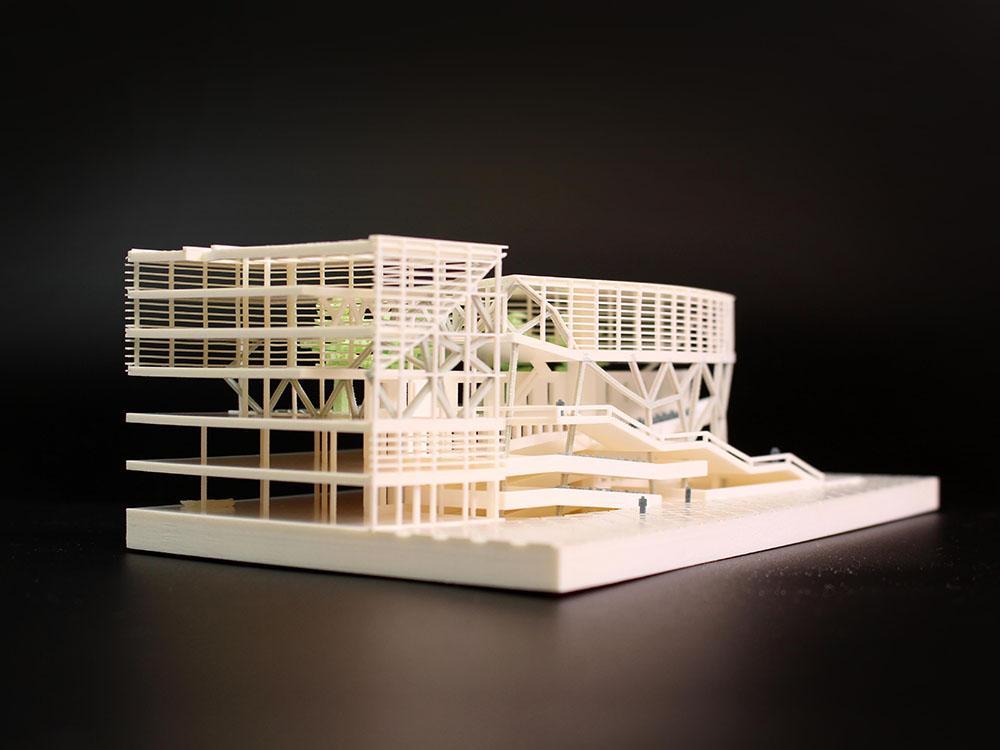
Architecture and design : models, custom-made furniture, unique decorative objects.
-
Industry : rapid prototyping, tooling, functional parts, small-scale production.
-
Medicine : custom implants, prostheses, surgical models.
-
Education and leisure : educational tools, figurines, DIY projects and artistic creations.
Why get into 3D printing?
-
Maximum personalization : each item can be unique.
-
Innovation and creativity : achieving forms that would otherwise be impossible.
-
Speed and flexibility : from concept to final product in a few hours or days.
-
Material savings : additive manufacturing = less waste than with subtractive techniques.
Conclusion
3D printing is a fascinating technology that goes beyond a simple gadget. It opens up endless possibilities for professionals and amateurs alike, allowing the creation of personalized, functional, and aesthetically pleasing objects.
At matter.ma , we support you every step of the way, whether for your personal or professional projects. Discover our 3D printing solutions and unleash your creativity.